
_edited.jpg)
First Blood: The Origins of the Vampire

The modern image of the vampire largely emerged in the late 19th century. Dracula by Bram Stoker helped shape the pale, aristocratic predator that would become one of literature's most enduring monsters. Yet the earliest vampire legends were far less glamorous. Rooted in fear and superstition, these creatures were imagined as grotesque and terrifying revenants rather than the seductive immortals we think of today.
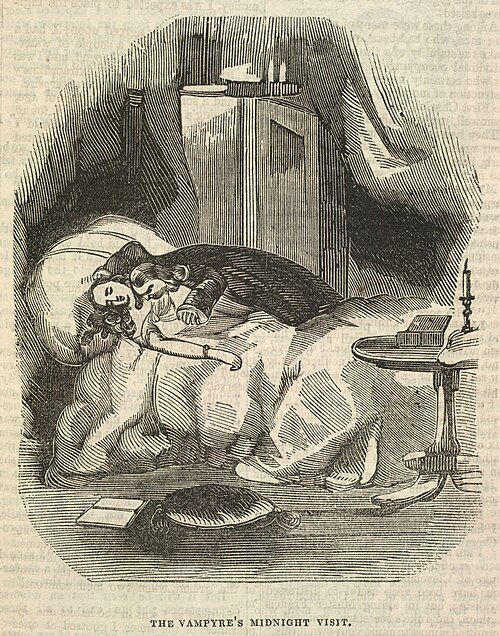
Legends of blood drinking and undead beings have appeared in cultures around the world for thousands of years, but the word "vampire" did not enter widespread Western use until the early 18th century. Derived from the Serbian word vampir, the term gained prominence during a wave of vampire hysteria in Eastern Europe. Much like the Salem witch trials, these beliefs were fueled by religious superstition, political instability, disease, and fear of the unknown.
One of the earliest recorded terms associated with the vampire appears in Old Russian as “Upiór” in 1047. Its precise meaning remains uncertain, though it is often interpreted as a dangerous or unclean spirit connected to death rituals or communal feasts for the deceased. In this context, the Upiór was believed to be a harmful presence that could return from the grave and disturb the living.
One of the most recognized terms associated with the vampire is “Nosferatu”. The word first appeared in European writings during the mid-19th century, though its true origin remains one of folklore's enduring mysteries. It was popularized in 1888 by Scottish author Emily Gerard, who described it as a Romanian term for a vampire. Modern linguists, however, have found no evidence that it was ever an authentic Romanian word. Instead, it is believed to be a misunderstood or corrupted form of words such as nesuferit ("the insufferable one") or necurat ("the unclean one"), both associated with evil and the supernatural. Today, Nosferatu has come to embody the “bringer of plagues” which is the incorrect translation of a Romanian word that was made popular by the 1922 German film.

Some interpretations suggest the term may have functioned as a form of euphemism, an indirect name used to avoid directly invoking a feared entity. It is very similar to how “he who must not be named” is said in place of using Voldemort's name in Harry Potter. Because of the fragmentary and evolving nature of early records, the original meaning and pronunciation may never be fully known with certainty.
The creature that would later become known as the vampire served a role in society similar to demonic figures in folklore across many cultures. It was often blamed for disease, sudden death, and other unexplained misfortunes during times when scientific understanding of illness and infection was limited. In the absence of knowledge about bacteria and viruses, supernatural explanations became a way to make sense of suffering and uncertainty, giving rise to a belief system where such entities acted as a cause for the unknown.
As disease spread in Eastern Europe between 1725 and 1755, the supernatural was often blamed. The vampire hysteria spread throughout the region and is now referred to as the “Great Vampire Epidemic”. Many people believed that the “undead” were the cause of their suffering and the only way to stop them was to mutilate their corpses. They carried out “vampire burials”, which sometimes involved putting a stake through the heart, covering the body in garlic, and a variety of other traditions that were present in Slavic folklore for centuries. Recently, a 400 year old Polish grave of a woman was discovered with a rusted sickle over her throat and a padlock on her foot. This shows clear evidence of the fear that the dead might return from the grave.

During this time, German and Austrian soldiers that fought the Ottoman Empire witnessed this mass desecration of graves and returned home to Western Europe with these stories where they helped fuel growing fascination with the idea of the vampire. The stories they told later contributed to its spread in popular folklore.
Disease may have been the origin of the superstition, but the “Great Vampire Epidemic” was fueled by political and religious upheaval as well. The panic emerged during a time of war, political instability, shifting borders, and religious tension between the Ottoman, Habsburg, and local powers. When unexplained deaths, disease, or misfortune struck a village, communities sometimes believed a recently deceased person had returned to prey upon the living.
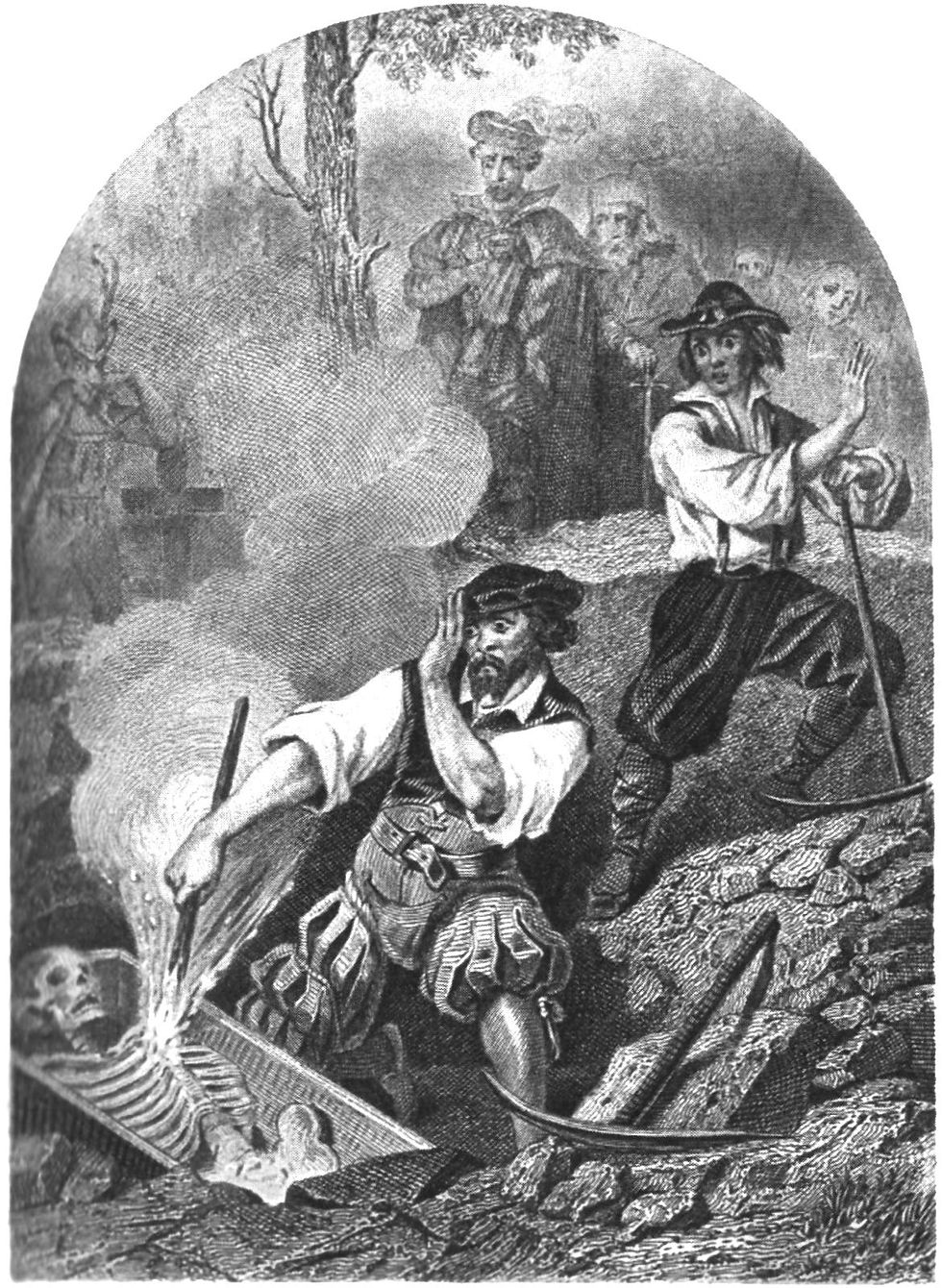
As reports of suspected vampires spread beyond Eastern Europe, the Serbian word vampir entered the German language as der Vampyr around 1726 before appearing in English as vampire by 1734. The widespread panic, now known as the Great Vampire Epidemic, allowed both the legend and its name to spread rapidly across Europe.
Although physicians and scholars eventually dismissed the reported cases as the result of superstition and misunderstood natural processes, the vampire had already captured the public imagination. By the 19th century, it had become a popular subject in Gothic literature before evolving into theater, cinema, and eventually the countless interpretations of vampires found in modern culture.

Whether one is drawn to the modern romanticized vampire or the older, more folkloric interpretations rooted in fear and superstition, the symbol of the vampire remains deliciously compelling. Across centuries, it has evolved from a reflection of unexplained illness and social anxiety into a cultural icon shaped by literature, film, and imagination. Yet beneath every version lies the same enduring idea: the vampire as a mirror of humanity’s deepest fears about death and the unknown. We will always be drawn to the dark, searching for meaning in what cannot be explained.


Comments